From the First Viewing Session to Repeat Engagement: Creating a Branded OTT Service for Its Audience
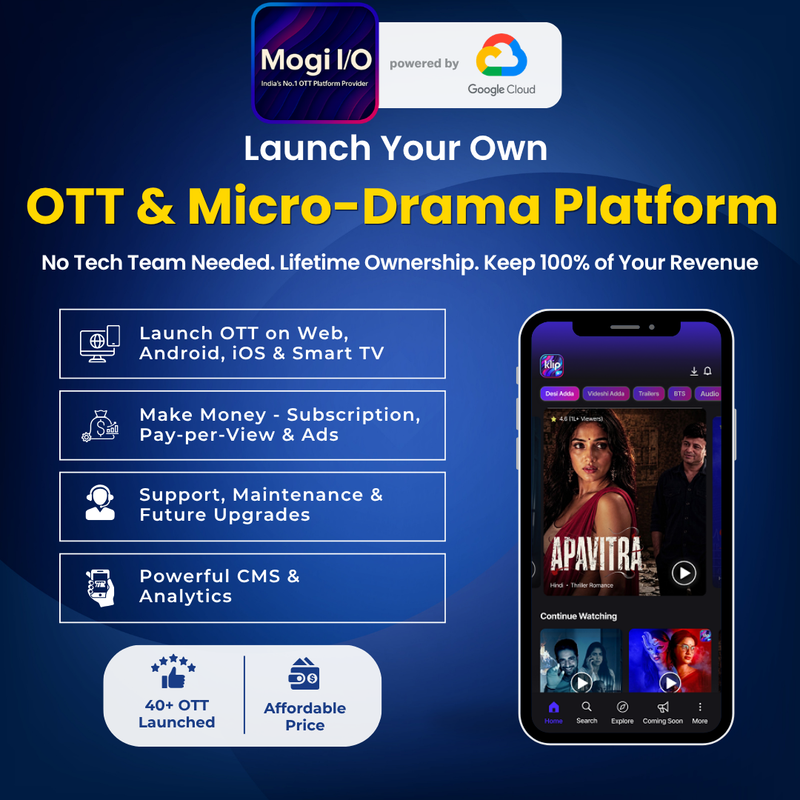
A streaming service is often judged by its catalogue, yet the audience experiences far more than the available videos. They encounter a sign-up process, browse categories, choose something to watch, wait for playback and decide whether to return. Every stage can either encourage further engagement or give them a reason to abandon the service. For organisations building their own branded streaming platform, considering the full audience experience is equally important as selecting the technical infrastructure.
A white label solution can provide an existing foundation for delivering content under an organisation’s own identity. Nevertheless, access to streaming software alone does not guarantee a practical service. The central task is ensuring that the platform's features suit the audience, operational processes and available financial resources. A practical approach starts with the viewer’s needs and works backwards towards the infrastructure required to support them.
Understand Viewer Needs Before Deciding on Platform Features
Prior to selecting technology, identify the reasons an audience would prefer the proposed streaming service. People using an educational service may prefer organised lessons they can continue without difficulty. A regional entertainment audience might value familiar languages and a carefully selected catalogue. Viewers following a live competition may care most about dependable access at a specific time.
Such variations affect almost every decision involved in product development. Organising searchable lessons involves different priorities from presenting a schedule of live broadcasts. Short episodes designed for mobile viewing create different browsing expectations from lengthy documentaries. Platform features should address these requirements instead of being added simply because competitors provide them.
One practical place to begin is by outlining a representative viewing session. Think about why someone arrives at the platform, which content they hope to discover and what would make the experience valuable. The exercise establishes clear criteria for comparing video platform options and identifying which functions should appear in the initial launch.
Recognise the Difference Between Video Hosting and OTT
When organisations raise the question, “What is an OTT platform?”, they generally want to distinguish a fully developed streaming service from basic video publishing. The term OTT describes over-the-top distribution: content is delivered to audiences over the internet instead of conventional cable or satellite networks.
A video hosting service establishes the basic storage and content-delivery framework. Some providers also offer video processing, embeddable players and content administration tools. A broader OTT platform brings video delivery together with functions such as audience accounts, catalogue discovery, viewing permissions, branded applications and payment arrangements.
Understanding this difference is important because organisations have varying infrastructure requirements. A business providing periodic training recordings might have limited use for a dedicated streaming application. An organisation offering paid viewing may require a substantially broader customer-facing service. Deciding which model is suitable requires a clear understanding of the relationship between the material, its viewers and the business distributing it.
Make the First Viewing Session Easy to Complete
Someone accessing the service for the first time should quickly recognise what it offers before making a substantial commitment. Well-written content summaries, organised categories and transparent access instructions help explain what viewers can expect. Confusing labels or unclear payment conditions can interrupt that process before playback begins.
Consider how much information registration really requires. Every additional step should have a purpose. When account creation is required, the process should make its benefits and subsequent steps clear. Where payment is required, the terms should explain what is included, how long access lasts and which restrictions apply.
A first-time session should guide viewers towards a meaningful content choice. New subscribers can experience uncertainty when the opening screen appears empty or the available programmes are difficult to recognise. Relevant editorial recommendations, clearly identified categories and precise descriptions can improve content discovery. These choices involve editorial judgement and user experience design, not just technical development, and they deserve attention before the service opens to a wider audience.
Check Streaming Performance Beyond Ideal Test Environments
A successful demonstration under ideal connection conditions does not represent the entire viewing experience. People may watch on older phones, shared household connections or devices with limited processing capacity. Performance assessments should reproduce the circumstances that target viewers may face.
Adaptive bitrate technology can adjust video quality according to changes in connection performance, but its presence alone does not establish that playback will be satisfactory. Organisations should measure video start times, the frequency of playback disruptions and whether visual clarity suits the content. An educational presentation featuring small written details may demand greater visual clarity than a straightforward video of someone speaking.
Live viewing introduces additional concerns because there is less opportunity to recover before the audience notices a problem. Pre-event testing should examine the production signal, access restrictions and the final viewer experience. Evaluating the entire streaming chain can reveal faults that individual component tests might overlook.
Create a Clear and Consistent Video Library
A growing content library generally makes catalogue organisation more demanding. Smaller video collections can often be arranged using simple categories, but expanding services require consistent naming, descriptive information, language identification and clear links between programmes or lessons.
Content management becomes more straightforward when editorial standards are established early. Decide how series, seasons, episodes and standalone videos will be described. Identify the people responsible for checking cover artwork, caption information and publishing dates. Inconsistent content details may make worthwhile programmes harder to locate even if the platform's search tools operate properly.
An online video app should make it straightforward for audiences to resume previous viewing. Based on audience requirements, helpful features may include progress tracking, bookmarked programmes or episodes presented in the correct sequence. The priority is continuity: a viewer coming back days later should be able to identify where they stopped and select suitable content without retracing earlier activity.
Choose Payment Arrangements That Match Content Value
Subscription models work for certain video services, although they are not always the most suitable initial choice. A library that receives regular additions may justify a continuing membership arrangement. A specialist event may be easier to explain through a single purchase. Educational material might be sold as a defined collection rather than unrestricted access to everything.
Including advertisements creates a different group of commercial choices. Companies should determine whether commercial interruptions suit the content and whether their existing processes can manage an advertising-based service. Combining advertising with paid access can also create confusion unless the differences between offers are clear.
A white label SaaS product should be assessed against the intended commercial structure before selection. Verify that the necessary payment options, viewing durations and user access rights are available. Businesses should additionally evaluate how the service manages declined payments, cancelled Online video app purchases and refund requests. These everyday situations influence trust and workload, even though they may receive less attention than the initial purchase screen.
Translate Platform Pricing into Real Viewing Costs
Paying for access to a streaming platform is only a portion of ongoing expenditure. Storage, video processing, delivery traffic, application maintenance and other services may be charged separately or included within defined allowances. Looking only at the displayed price while ignoring usage allowances can create an unrealistic picture of total costs.
Prepare several practical estimates of how the service might operate. One example may assume a compact video collection with moderate viewing demand. A second might account for extended viewing periods or a substantial rise in people watching concurrently. Live programming may produce a peak in simultaneous delivery requirements that is very different from regular recorded-video viewing.
The aim is to understand what causes costs to change. Determine how consumption is calculated, which functions incur fees and how additional usage is billed. An introductory package or free OTT platform might support early experiments, but whether it is appropriate depends on the service's real demands. Sustainable planning connects expected viewing behaviour to the full operating model rather than treating software fees as the entire budget.
Distinguish Branding from Operational Control
Customising brand graphics and colours may give the platform a familiar business appearance, although the ability to personalise branding does not guarantee full operational authority. Companies should review which application screens, platform capabilities and operating procedures are adjustable and which remain tied to the technology provider's standard system.
App ownership and release management responsibilities require careful consideration. Establish who manages releases, how updates are requested and what happens when a device-related issue appears. The usefulness of a white label platform is influenced by how effectively operational duties are assigned between the business and its provider.
Similar attention should be given to viewer information. Assess access to audience information, the ability to export relevant data and the compatibility of integrations with daily business operations. These questions help distinguish a service that looks independent from one that also supports the organisation’s day-to-day management requirements. Visual presentation and operational authority are both important, although each requires its own assessment.
Plan Content Access Around Actual Rights
A streaming business needs clarity about what it is permitted to distribute. Content arrangements may differ by territory, viewing period, device category or commercial use. The platform must be capable of supporting the restrictions relevant to the catalogue.
Verifying accounts, controlling viewing rights and protecting content are closely related activities, but they address different requirements. A successful account does not always grant the right to view every item in the catalogue. Likewise, a paid purchase may provide access only for a specified period. The viewing interface should communicate and apply these differences consistently.
Protection measures also need realistic expectations. These measures may restrict improper access and discourage particular forms of misuse, although no single capability provides total protection against copying. The main goal is to ensure that access restrictions satisfy content responsibilities without making authorised viewing unnecessarily difficult. Overly complicated restrictions may weaken the viewing experience the organisation intends to deliver.
Learn from Established Streaming Services While Defining Your Own Priorities
A service with a defined audience may differentiate itself through its content choices, specialist understanding or availability of less accessible material. The service may stand out through a clearly categorised professional catalogue, thoughtfully ordered lessons or entertainment intended for a particular linguistic audience. These advantages should guide product development.
Copying visible features without understanding their purpose can increase complexity. Automated suggestions provide limited benefit if viewers cannot understand the main content categories. Additional device applications may contribute little if the audience primarily watches on phones. Major platforms provide examples of established viewing habits, but the first release should be shaped by its target audience and the resources available to operate it.
Launch with a Manageable Service and Clear Responsibilities
A carefully limited release enables the organisation to study actual viewer activity without making operations overly complicated. Even with restricted content selection and device availability, the first launch needs to accommodate the entire viewer journey. Users should clearly understand the available content, gain access without unnecessary difficulty and have a practical way to resolve viewing issues.
Allocate clear ownership of video publishing, transaction-related concerns, playback troubleshooting and application maintenance. Create a method for identifying whether a playback issue is limited to one device or indicates a larger delivery problem. Such responsibilities help avoid uncertainty when technical difficulties require cooperation between content operations and the technology provider.
Useful measurements should connect to practical decisions. Repeated playback failures suggest a different problem from viewers abandoning registration or finishing one programme without returning. Examining such trends helps identify whether the priority should be technical reliability, a more understandable offer or a stronger video library. Growth becomes easier to manage when each expansion responds to an observed need.
Conclusion
The effectiveness of a branded OTT service depends on the overall standard of its content, audience experience and everyday management. White label SaaS can provide a useful technical foundation, but the business still needs to define its audience, organise its catalogue, understand its costs and assign clear responsibilities. Planning around a complete viewing session makes those choices more concrete. Begin with a platform that audiences can easily understand and dependably use, before extending its capabilities according to demonstrated viewing needs.